Interoperabilidad en Sanidad

La interoperabilidad sanitaria se refiere a la capacidad de los distintos sistemas de información, dispositivos y aplicaciones para acceder a los datos, intercambiarlos, integrarlos y utilizarlos de forma cooperativa y coordinada tanto dentro como fuera de las fronteras organizativas, regionales y nacionales. Esta capacidad se basa en normas sanitarias y marcos de intercambio de información ya establecidos. […]

Read More

De qué va la KW Foundation?

En 1982 cometimos un tremendo error de marketing. Nuestro software intentó, desde el principio, dar un protagonismo inusual al usuario de sistemas informáticos, con el 90% dedicado a la parametrización. Así, el conocimiento que gestionaba el usuario dependía de su propia visión: identificadore

Read More

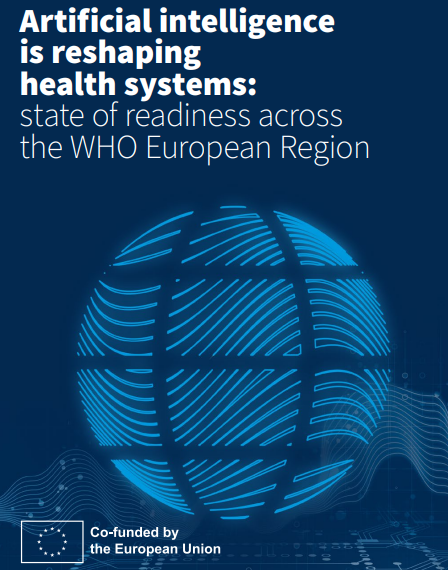
Artificial intelligence is reshaping health systems: state of readiness across the WHO European Region

Artificial intelligence (AI) is transforming health systems, reshaping how care is planned, delivered and governed. This report presents the first assessment of AI integration into health systems across the whole of the WHO European Region, based on findings from the 2024–2025 survey on AI for health care. It examines national strategies, governance models, legal and ethical frameworks, workforce readiness, data governance, stakeholder engagement, private sector roles and the uptake of AI applications. Drawing on insights from 50 Member States, the report explores how countries are navigating opportunities and challenges, highlighting emerging trends, gaps and practices to guide policy-makers towards coherent, ethical and people-centred approaches to AI in health care.

Read More

Global strategy on digital health 2020-2027

In 2005 the World Health Assembly through its resolution WHA58.28 on eHealth urged Member States “to consider drawing up a long-term strategic plan for developing and implementing eHealth services… to develop the infrastructure for information and communication technologies for health…to promote equitable, affordable and universal access to their benefits.”

Read More